What's the difference between Wood Glue, Polyurethane Glue and Cyanoacrylate Glue?
Polyvinyl acetate – or PVA
PVA glue is commonly known as carpenter’s glue or wood glue. It is easy to use, has little odor, produces no dangerous fumes, and typically dries clear, making it an excellent choice for woodworking
PVA glue works well with wood and many porous materials. It applies easily, dries relatively quickly, and creates a strong bond. Remove squeeze-out promptly with a dry cloth or paper towel. Once dried, excess glue can be difficult to remove and may interfere with sanding or finishing.
PVA glue is generally inexpensive and a fairly long shelf life. It comes in white and yellow coloring, each with recommendations for their use. Typically, yellow tinted PVA glue is more water resistant and used more for outdoor items; however, it is not always completely clear when it dries. White PVA glue on the other hand is recommended more for indoor use because it is not water resistant. Dampness and humidity tend to weaken it over some time.
Polyurethane Glue
Most polyurethanes are thermosetting polymers, or thermoset plastic that becomes rigid and set when heated. Often room temperature is enough to provide the heat to set thermosetting adhesives. The adhesive is applied as a liquid to one surface and water to the other surface. Once they come in contact and room temperature, Heat is absorbed which powers the chemical reaction, expanding the glue to make a strong network of chemical bonds.
Cyanoacrylate or CA Glue
CA or Super Glue is an acrylic resin that uses water moisture to speed the curing process. While Polyvinyl glues rely on the lack of moisture, CA and Polyurethane glues rely on it to cure. Usually, the natural moisture in air is enough for the CA glue to harden. Using an accelerator will speed up the process on the surface. CA glue works best on porous materials such as soft woods, and it will bond to any porous materials, especially your skin. It's very porous and with the moisture in your skin, bonding will happen quickly (don't ask how we know that.) Acetone works well as a Debonding agent and it will dry your skin out as it removes oils and moisture from where it is applied. You will usually find it in "Thin", "Medium" and "Thick" Viscosities. CA glue has very strong fumes so please use in well ventilated area and never use a face shield that pulls air in and blows it across your face (it won't be good.)
Wood Glue
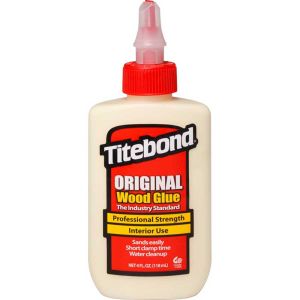
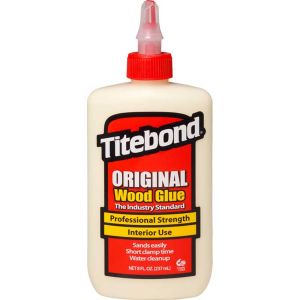
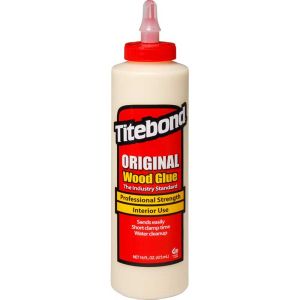
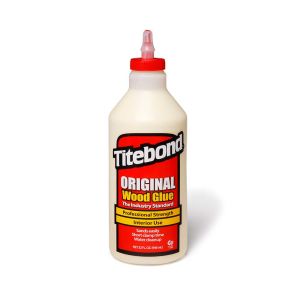
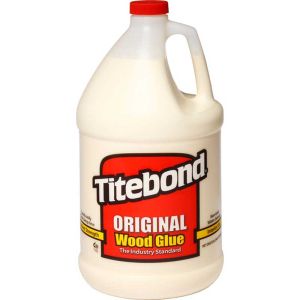
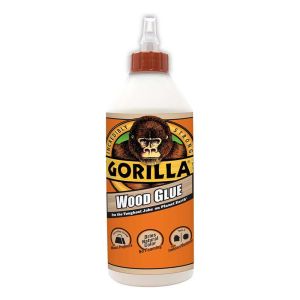
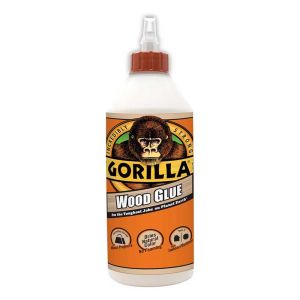
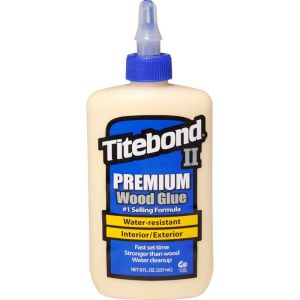
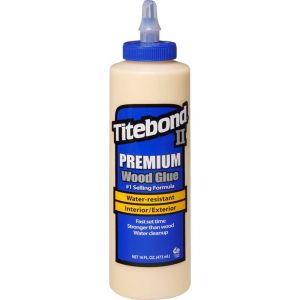
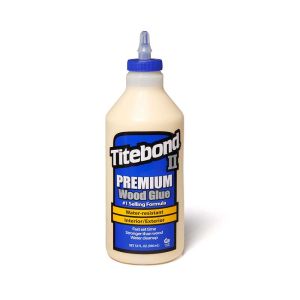
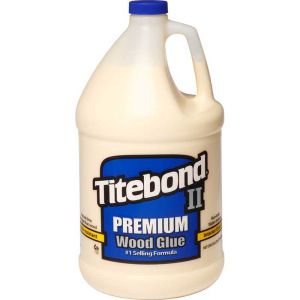
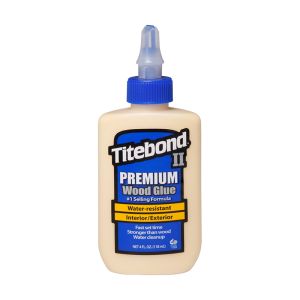
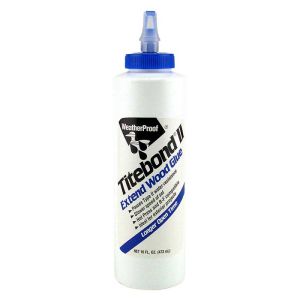
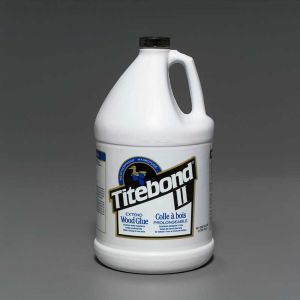
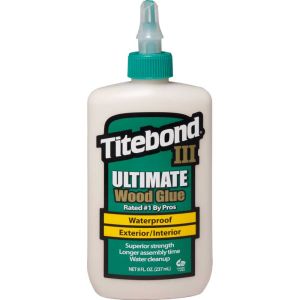
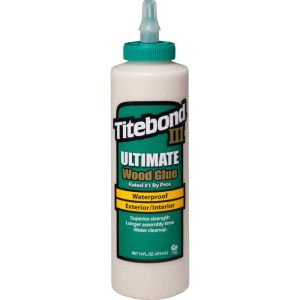
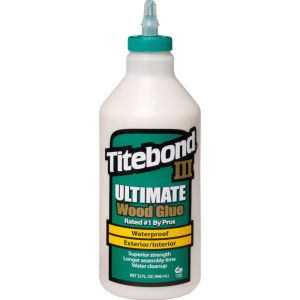
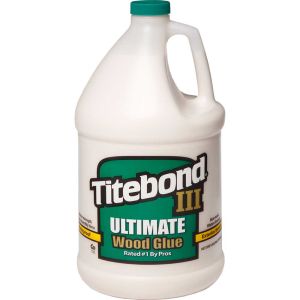
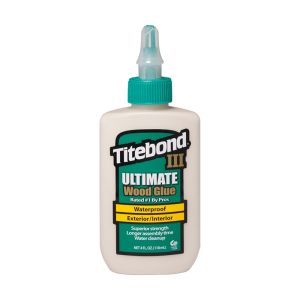
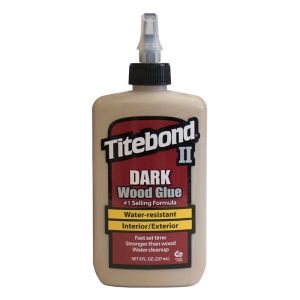
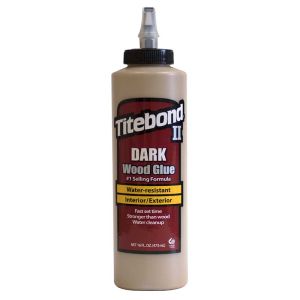
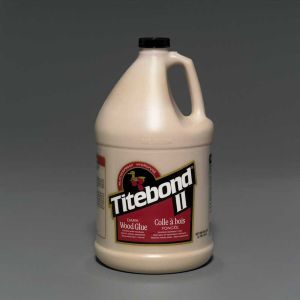
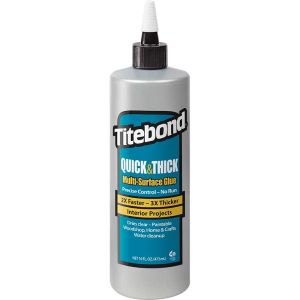
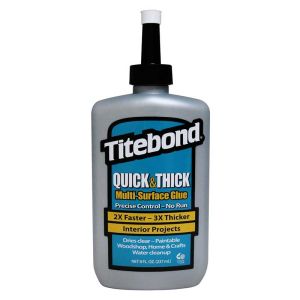
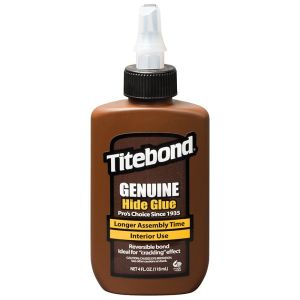
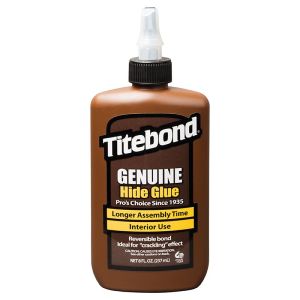
Water based adhesives, reliable adhesive for woodworkers, that when they are cured are water-resistant or waterproof. Premium glue formulas are used by carpenters and hobbyists alike. They use an adhesive that woodworkers and carpenters find easy to use, and have a water cleanup. Woodworkers and Carpenters trust for their permanent bond glue joints in their woodworking projects with the benefits of an easy, creates a cross-linking or bonding. Gorilla wood or any of the Titebond premium wood glues give your woodworking projects superior strength, indoor or outdoor. Reliable glues offer the benefits of bond-to-bond superior holding, a formula creates a cross glue premium formula. Super Glue or CA Glue fills gaps where small cracks have occurred. Wood glue can also be used as craft glue or to fill gaps. Wood glue is an aliphatic resin that was once made from Horse Hide, and that is where the name Hide Glue came from. No matter the glue you use, it usually has a 24-hour cure, or dry time and creates a permanent bond.




Login and Registration Form