

Guide to Woodworking Screws
Choosing and Using the Right Screw
Updated 04/16/2025
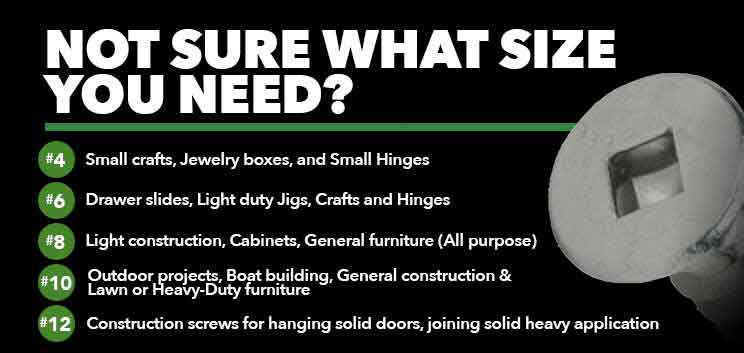
Screw Sizes and Applications
There are over 1 million types of industrial fasteners, and we will talk about only a small group of them and those associated with woodworking. We are presenting some of the basic fastener features and applications used in cabinet and furniture manufacturing and woodworking in general. We outline some of the benefits of the various head, recess, and thread styles commonly used in the woodworking industry. We also touch on fastener materials and coatings, how they minimize or prevent corrosion, and when to use certain types.
These links can take you to a specific section to help you find the right screw for your project.

Traditional
The shape and design of the traditional wood screw has changed little over time. Some new versions use a Phillips or a Square Drive... Read More


Production
Originally designed for use in furniture factories and cabinet shops, these screws work well in solid wood and also provide excellent holding power in plywood, particle board, and medium-density fiberboard... Read More
Drywall
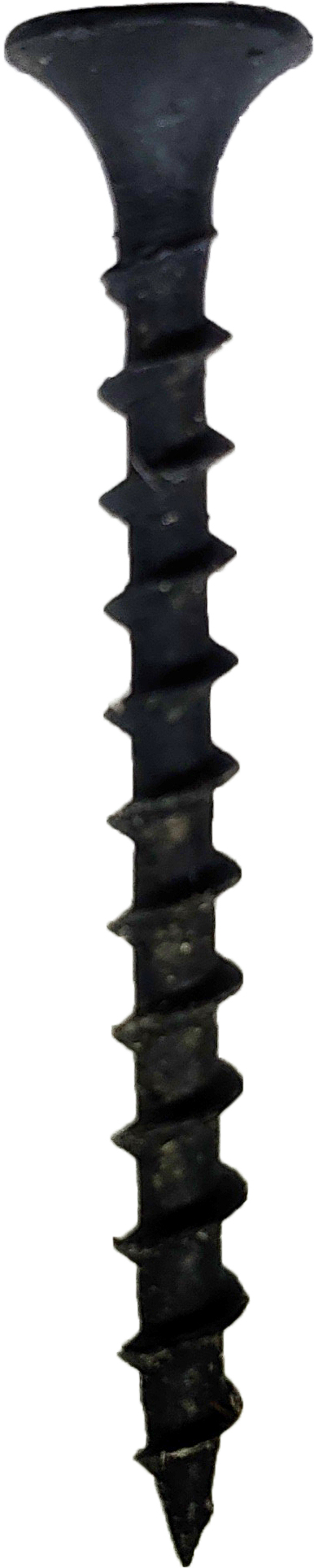
These resemble production screws except for their bugle heads and thinner shanks. Drywall screws have a black-oxide or phosphate coating and often employ a double-lead thread... Read More
Pocket Hole
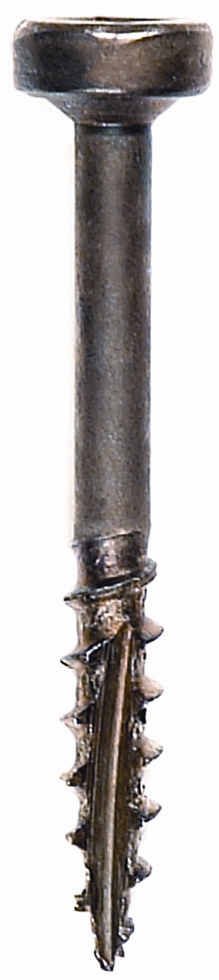
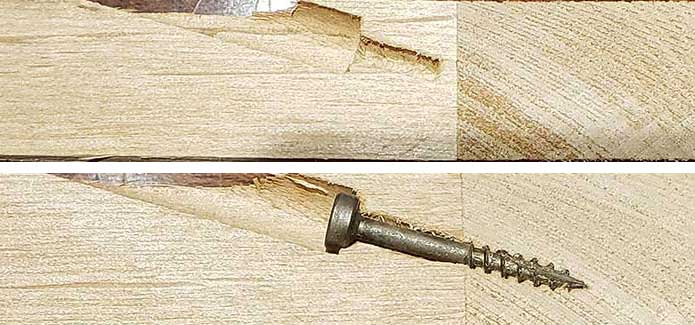
Pocket-hole joinery is popular because it is a fast, strong, easily adaptable, precise method of assembly... Read More
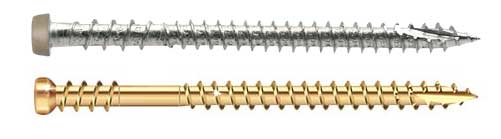
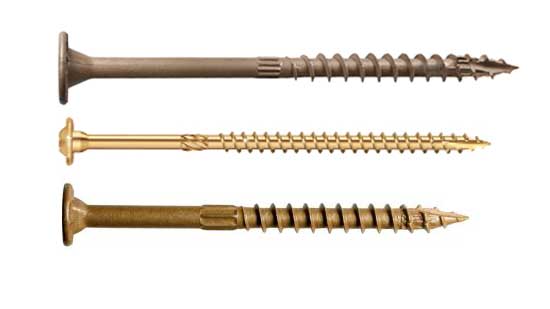
Deck
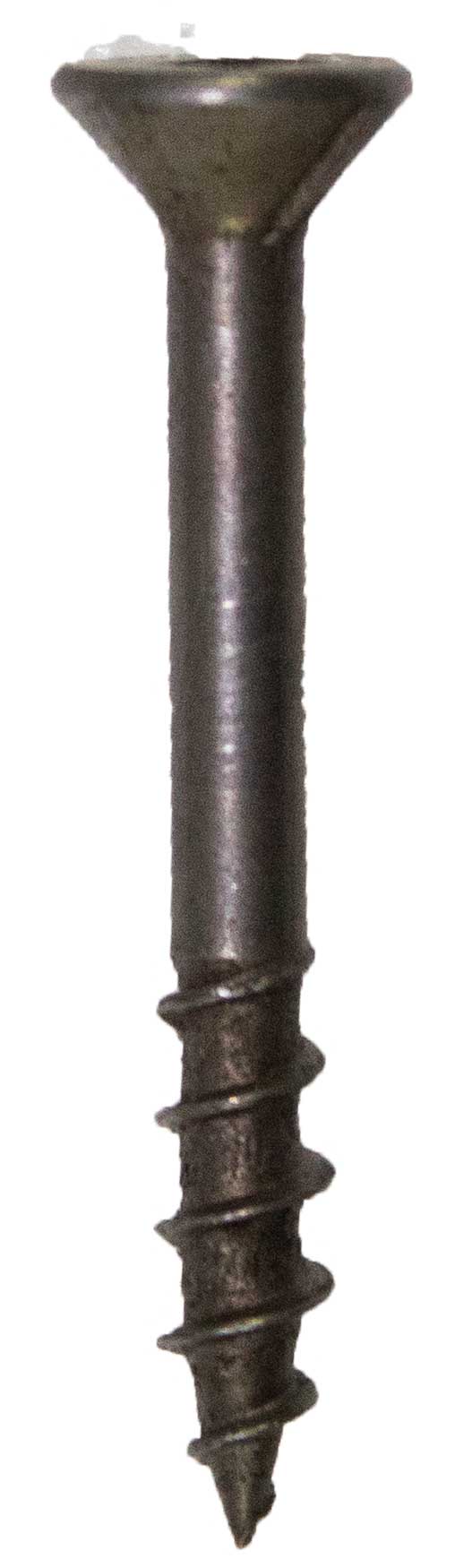
These are usually #8 or #10 screws and are available in various materials and finishes to stand up to the elements in outdoor furniture, attaching brackets, construction sub-flooring, decking. roofing, etc... Read More
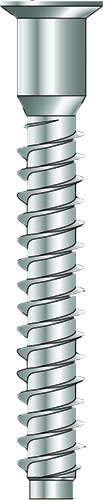
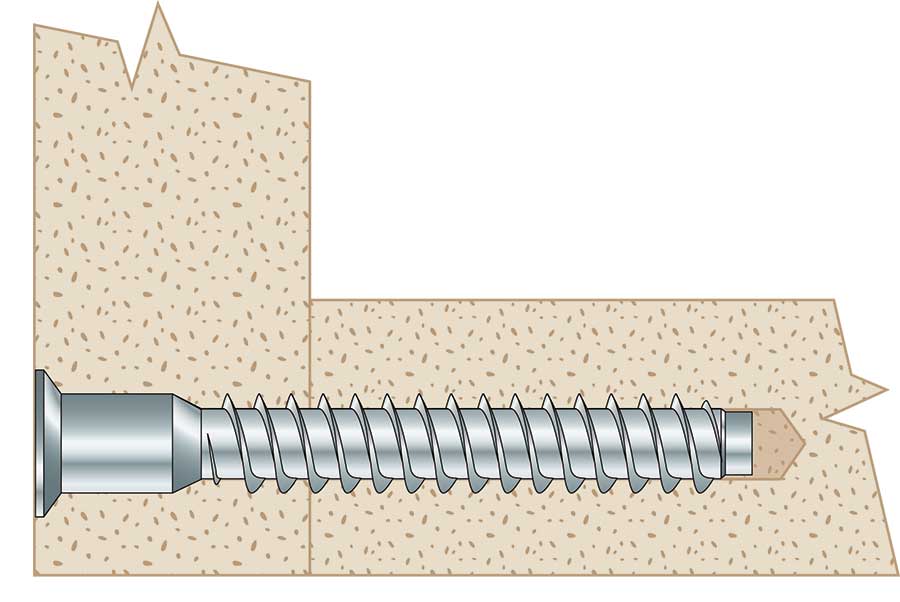
Confirmat / Firmit Connecting Screws
Ready-To-Assemble (RTA) and Knock-Down (KD) furniture can now be assembled with ease. Confirmat screws were developed specifically for edge-to-face joining of particle-based products like melamine board and MDF... Read More
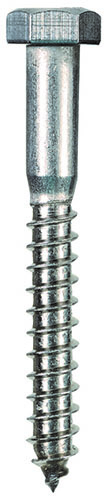
Traditional Lag
The six-sided hexagon-shaped head is normally driven with a socket bit. Some hex heads have serrations on the bearing surface that help bind the head to the wood... Read More

Modern Lags
Modern Lags are to Traditional Lags like Traditional Screws are to Production Screws. the Shank is thinner and deeper cutting threads... Read More

Trim Head
The trim head screw resembles a finishing nail in both appearance and function. The head for a #4 screw is used on either a #6 or #7 screw, permitting the screw to countersink itself just like a finishing nail... Read More
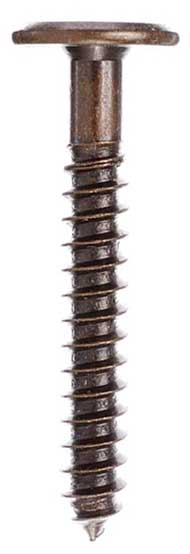
Connector Screw
Decorative head wood screws are designed to join wood to wood at right angles. Their unique thread design allows the connector to join soft and medium density materials without the need for nut and bolt alignment... Read More
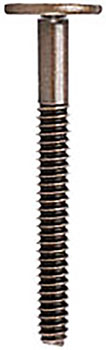
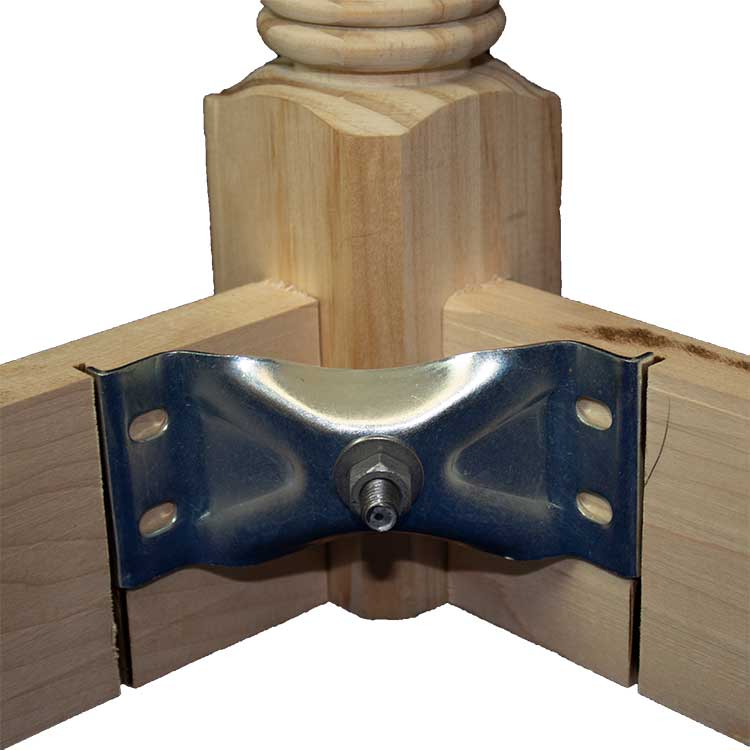
Connector Bolts
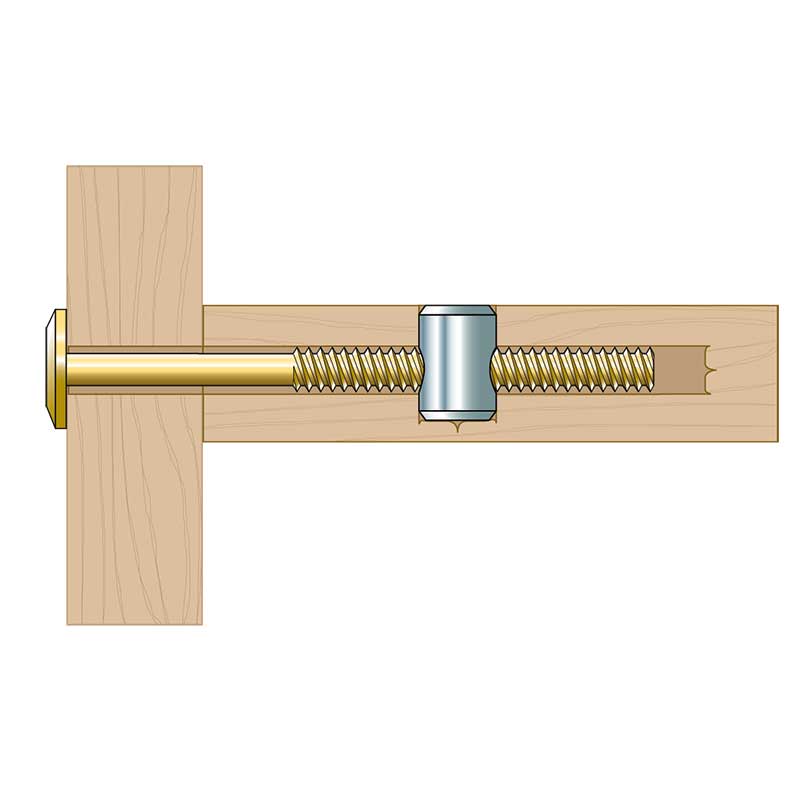
You have probably built some “ready to assemble” (RTA) furniture that used this fastener... Read More
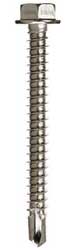
Self Tapping Screws
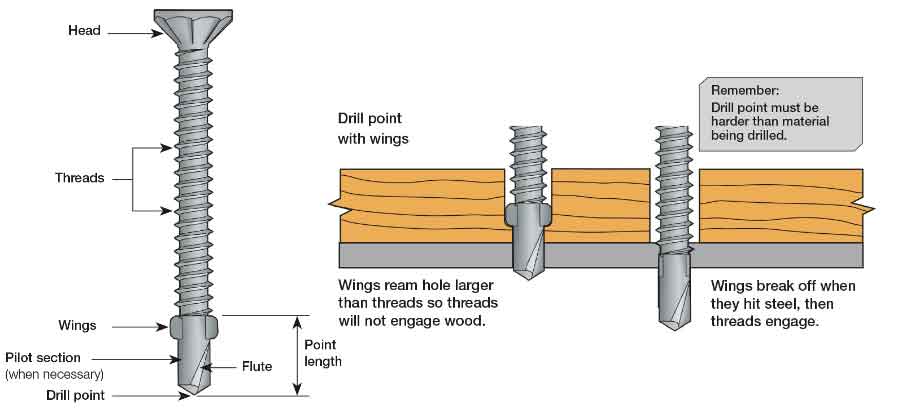
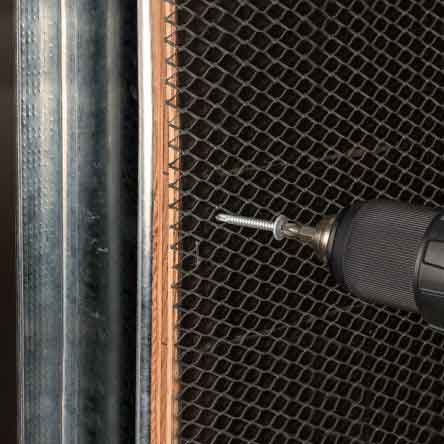
They feature a self-drilling tip that drills through the steel, and then the tapping screw thread locks itself into the steel. Make sure you use a slower rpm. and give the self-drilling point time to cut away the steel just like a drill bit. .. Read More
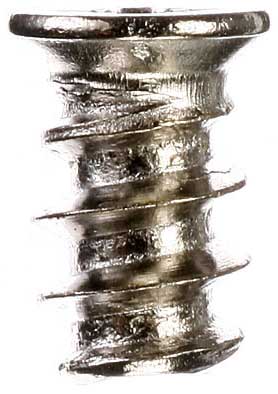
Euro Screws
Now you can install Euro-style drawer slides using either Square Drive or standard Pozidriv... Read More
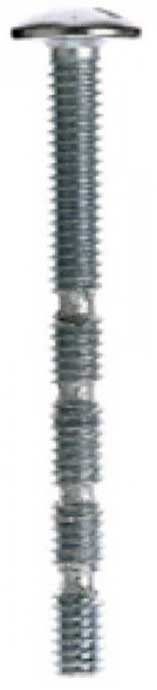
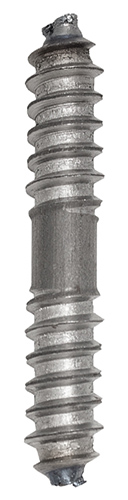
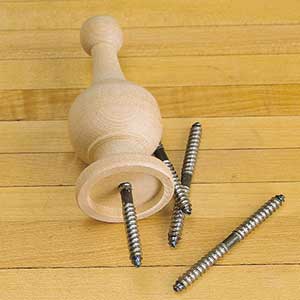
Dowel Screw
Use dowel screws to connect two wooden parts that have blind holes, such as the finial on a stair railing... Read More
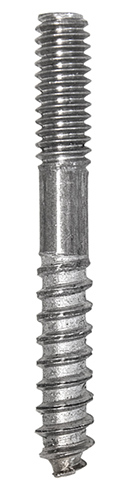
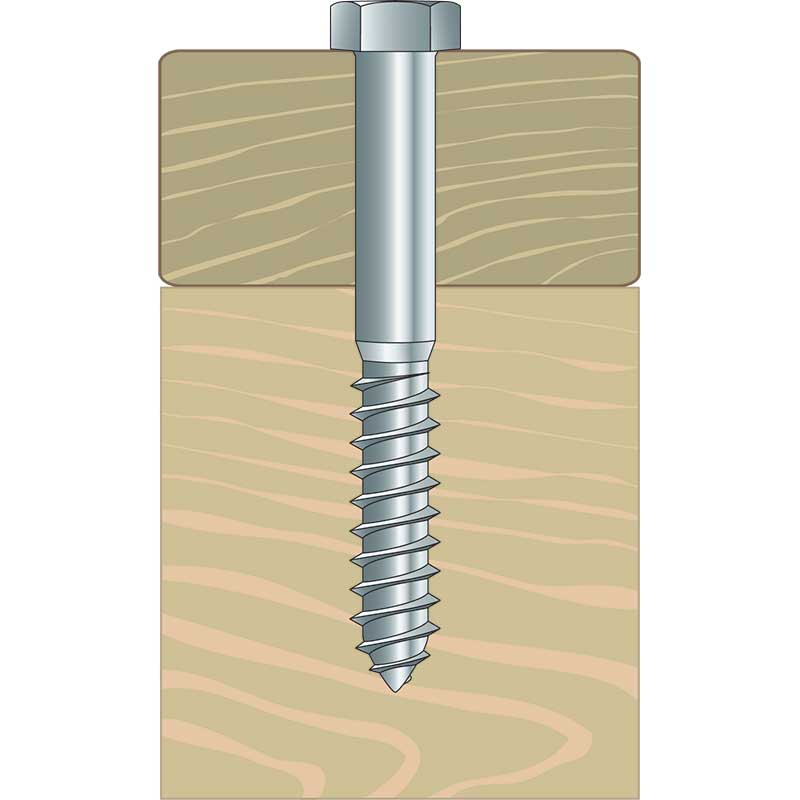
Hanger Bolt
Hanger bolts have wood screw threads at one end and machine threads at the other... Read More
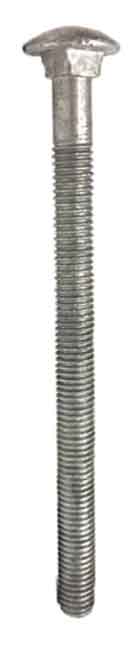
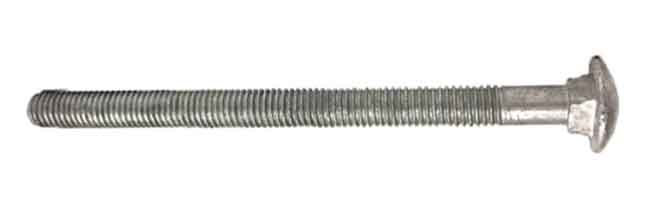
Carrage Bolt
Carriage bolts have a nice, smooth, snag-free head that is perfect for outdoor projects, deck furniture and even the deck itself... Read More
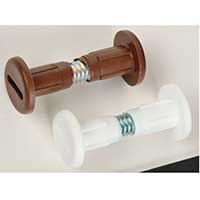
Cabinet Connecting Screws
Some cabinet boxes are joined with panel connecting screws, which fit through predrilled shelf pin holes on the inside of adjoining cabinets. Once the hole for attachment is selected, drill through with an 8mm bit, align the boxes, and slip the connectors in place.
Shop our Selection of Screws
Head Types
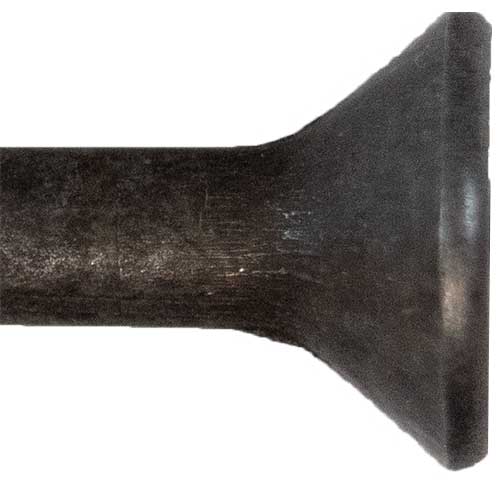
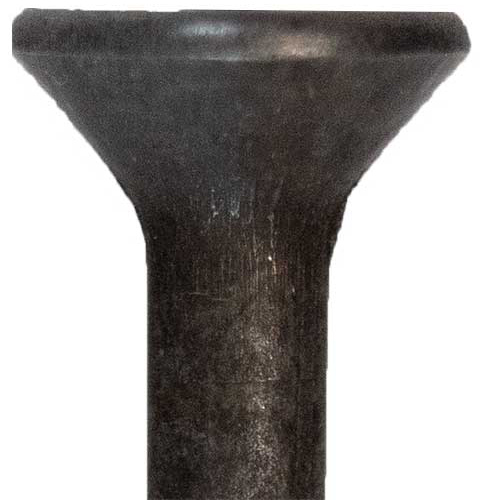
The flat head with its typical countersink is the most commonly used screw. The countersink is the beveled surface under the head... Read More
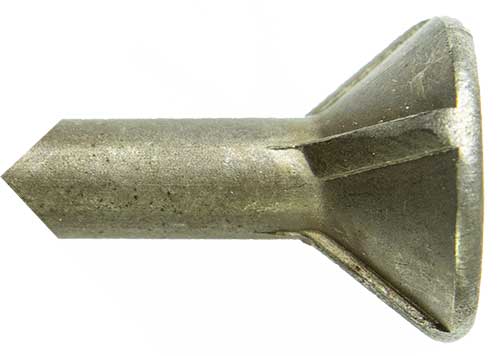
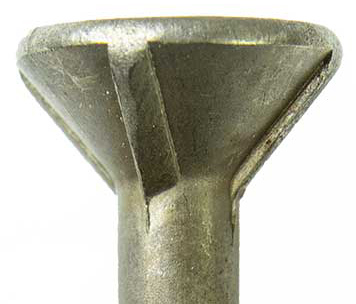
Another variation that has become very popular is a Flat Head with NIBS on the countersink surface... Read More
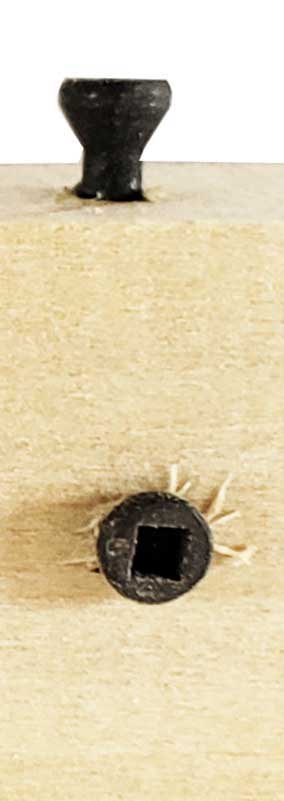
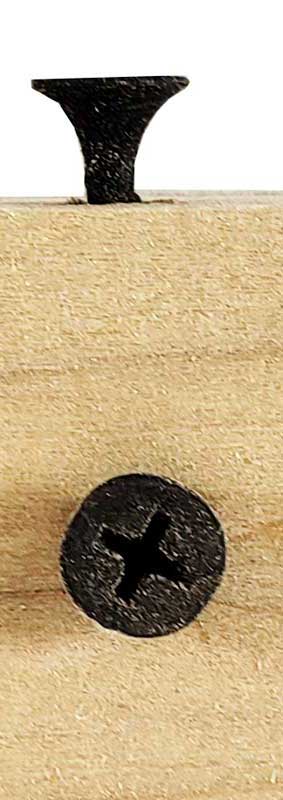
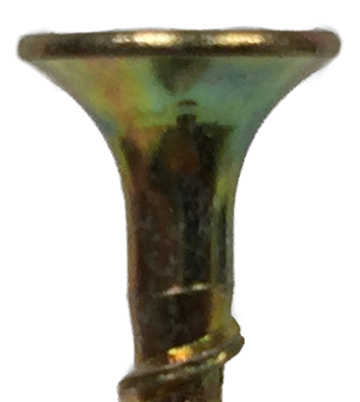
Tapered head snugs screw into the workpiece without requiring a countersink. Mostly found on Drywall Screws where it will dimple the paper and not break it... Read More
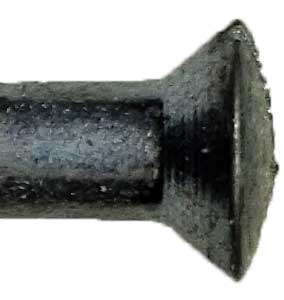
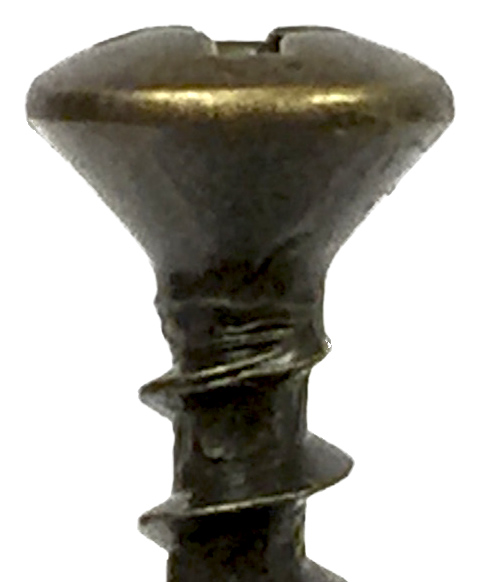
Oval heads also have a countersink design, but rather than being flat on top, they have a slightly elliptical shape... Read More
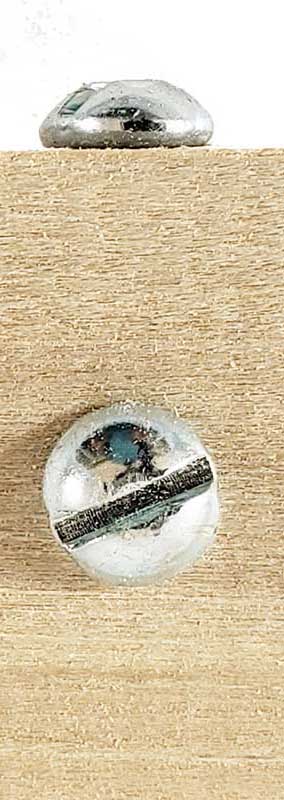
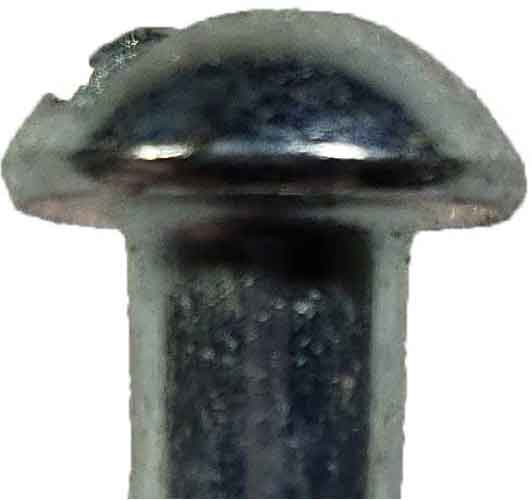
Round head screws have a half-round protrusion above the surface. The flat bearing surface under the head distributes load evenly when attaching metal to wood... Read More
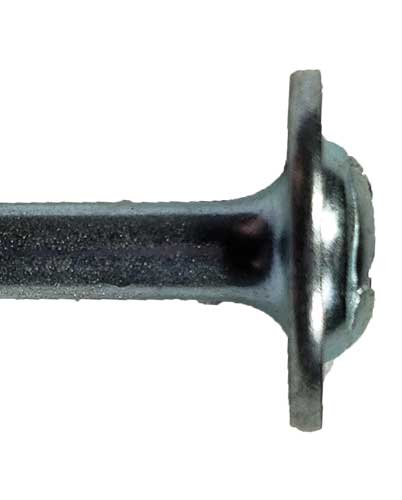

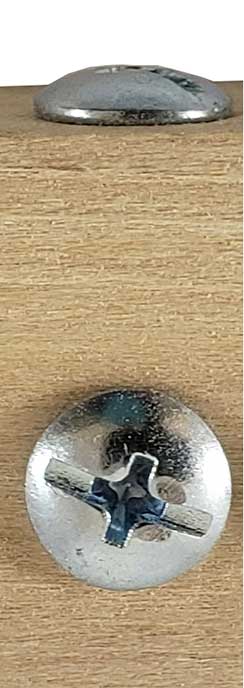
This head style is very similar to the pan head but has a lower profile and a slightly larger bearing surface... Read More
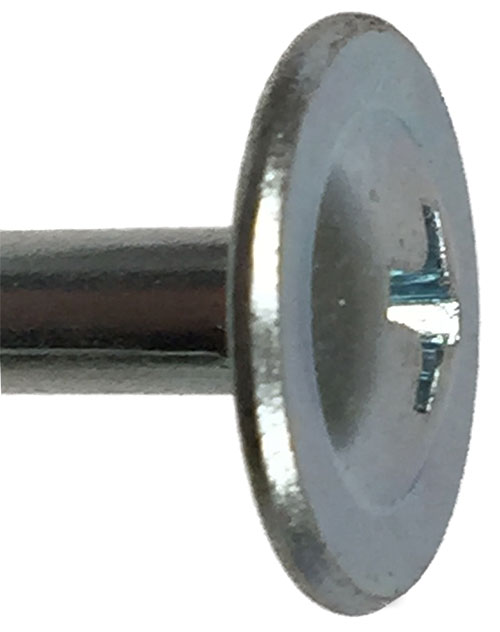
Modified Truss
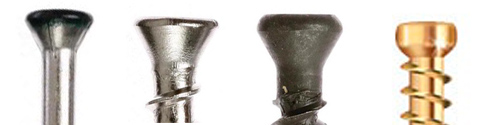
Modified Truss Head Screws have an undercut that creates a larger area on the underside of the screw's head for a larger bearing surface... Read More

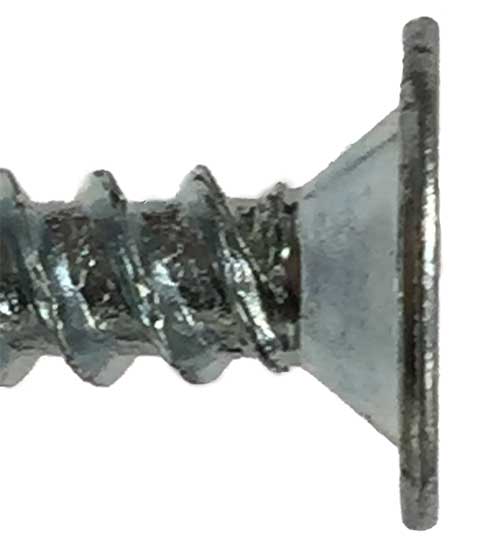
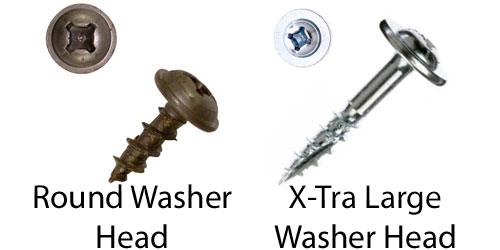
Wider head design offers an increased surface area for draw down where flush or countersunk installation is not necessary or desired... Read More
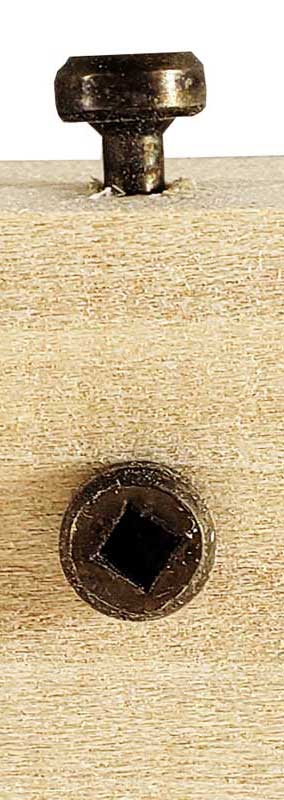
Fillister, Flat Top Pan, or Cheese Head
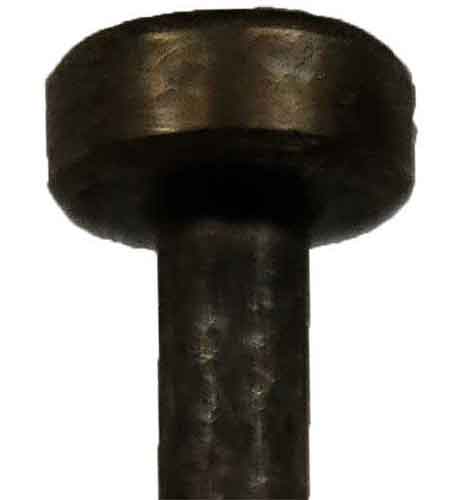
Is similar to a Pan head but with greater side height... Read More
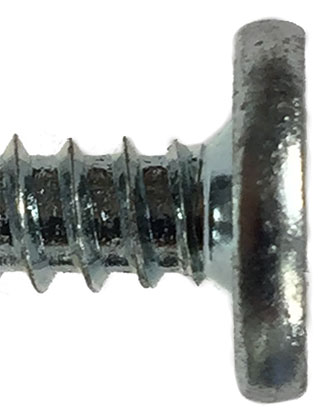
Pancake Head
Low profile design provides added clearance for concealed fastener panel systems... Read More
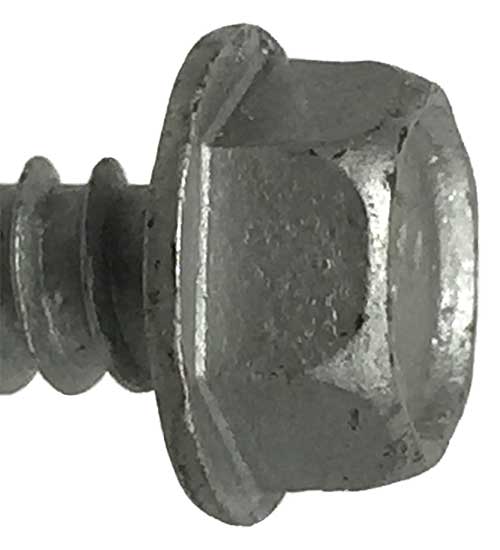
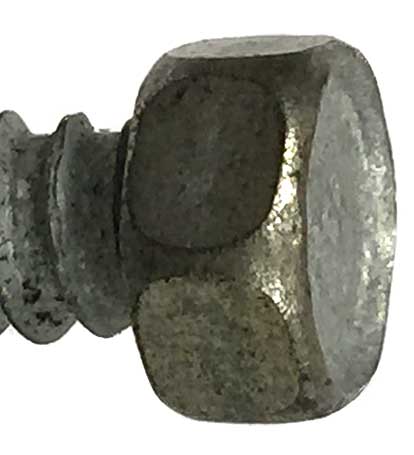
Hex Head Screws or more commonly known as Lag Screws, have a six-sided head that will accept a socket or wrench to turn the screw into the wood... Read More
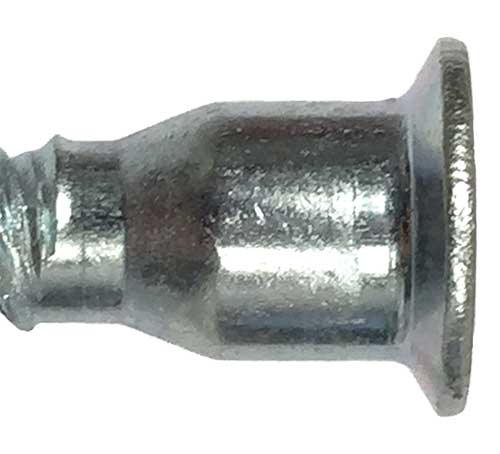
The extruded shoulder under the head creates a tight fit to ensure proper alignment by the assembler... Read More
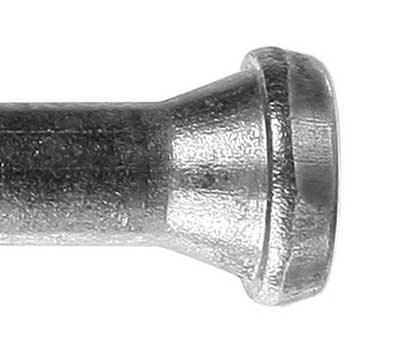
Cap-head prevents mushrooming and material from rising above the deck for a smoother, clean-looking installation.
Shop our Selection of Screws
Recess Types
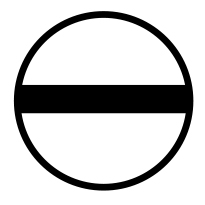
Slotted
Slot recess screws are not used in a manufacturing environment because of the problem of the bit not staying engaged with the screw. We only see this screw used in restoration projects... Read More

Square Drive Recess
This recess was invented by P.L. Robertson (founder of Robertson, Inc.) in 1908 and was the first production fastener with an internal recess... Read More
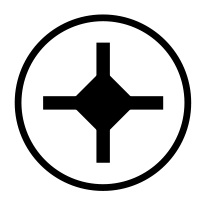
Phillips
This recess has been in use since 1936 and is officially called a Type I crossed recess... Read More

Pozi Drive
Pozidriv was developed by the Phillips Screw Company. The Pozidriv was designed to provide a greater contact surface for more force and less slipping... Read More

Square-Phillips or Combo Recess
This recess offers the positive fit of Square/ Robertson® recess with the after-market serviceability of Phillips drive... Read More

Torx
Developed in 1967 by Camcar Textron, is a trademarked type of screw drive characterized by a 6-point star-shaped pattern... Read More

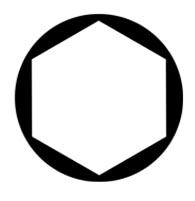
Hex Washer Head
Hex Head Screws or most commonly Lag Screws are six-sided head that will accept a socket or wrench to turn the screw into place... Read More
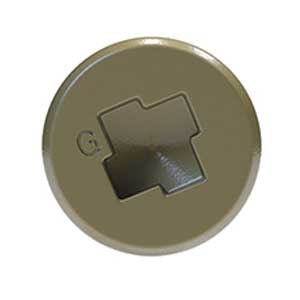
LOX® Recess
LOX recess is a Grabber innovation patented for superior bit grip on Grabber fasteners... Read More
Shop our Selection of Screws
Threads and Points
Cut Thread
Cut threads is the oldest way of making screws. Cut thread uses a larger diameter wire and cuts material away for the thread.... Read More
Rolled Thread
Rolled threads uses smaller wire and rolls the wire through dies to squeeze the threads onto the shaft.... Read More
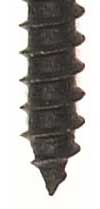
Type A Point
Most commonly known as "sheet metal screws" the Type A thread was designed to form or cut a mating thread in its mating material... Read More

Type B Point
Type B Thread is a thread forming screw with low root diameter and a blunt point with tapered entering edges... Read More
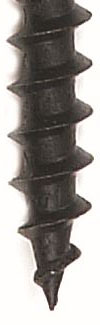
Sharp Point
Sharp point gets screw started quickly - even without a pilot hole in many materials.
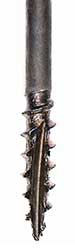
Type 17 Point
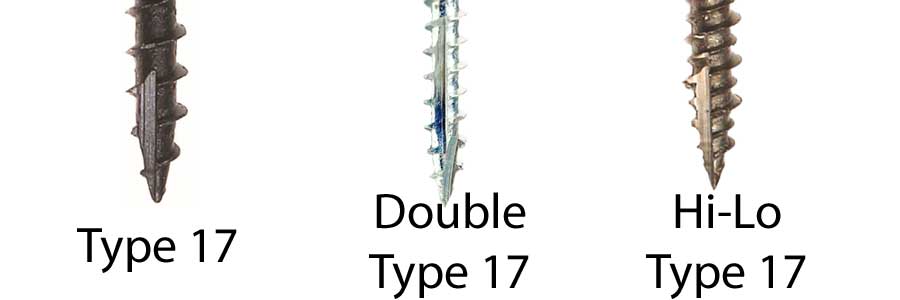
The Type 17 point is not a thread style but can enhance the performance qualities of most thread styles used in the woodworking industry... Read More
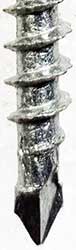
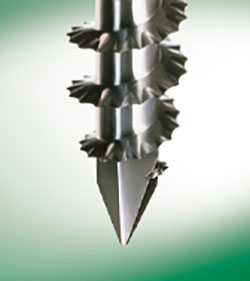
SPAX® Cut Point
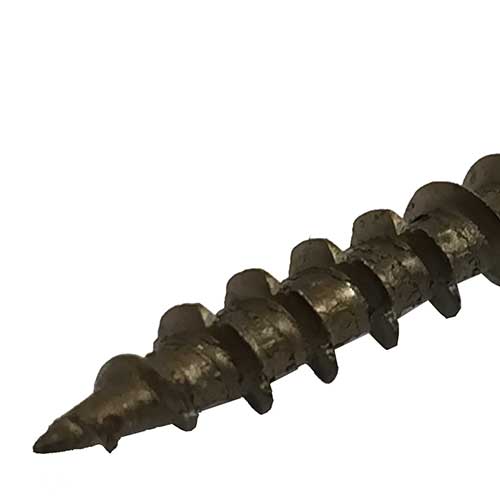
The 4CUT point enables fastening without pre-drilling (depending on the wood)... Read More
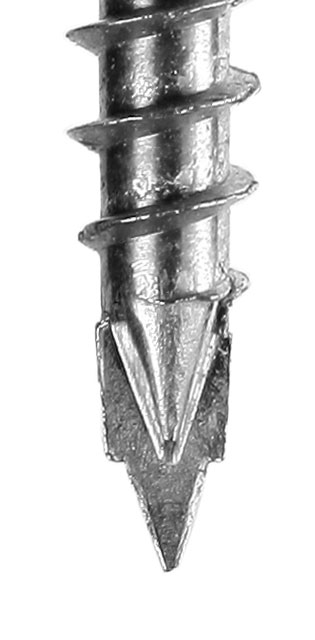
Paddle Point
Paddle-style drill point can virtually eliminates splitting without predrilling.
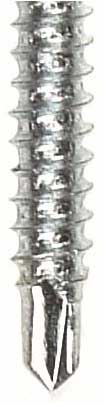
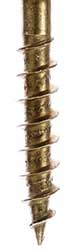
Traditional Screws Threads
Traditional Wood Screws - The shank diameter on this screw exactly matches the outside dimensions of the threads... Read More
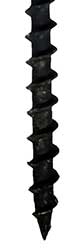
Drywall Screw Threads
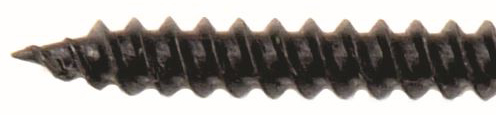
Drywall screws (often called sheetrock screws) provide a stronger hold than nails, and they cost a little bit more... Read More

Coarse/Deep/Lo-Root® Threads
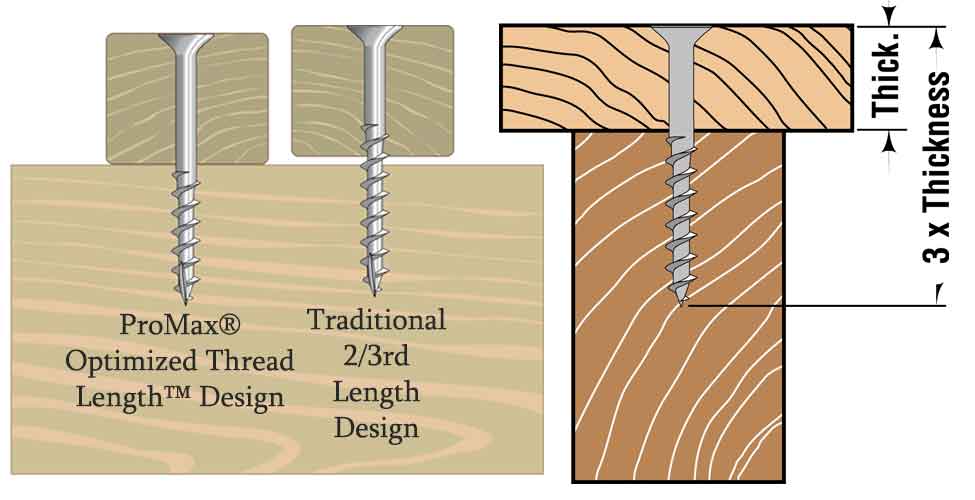
Coarse or Deep Threads are characterized by a reduced diameter shank resulting a larger pitch (fewer threads per axial distance) in a coarse or deep thread profile... Read More
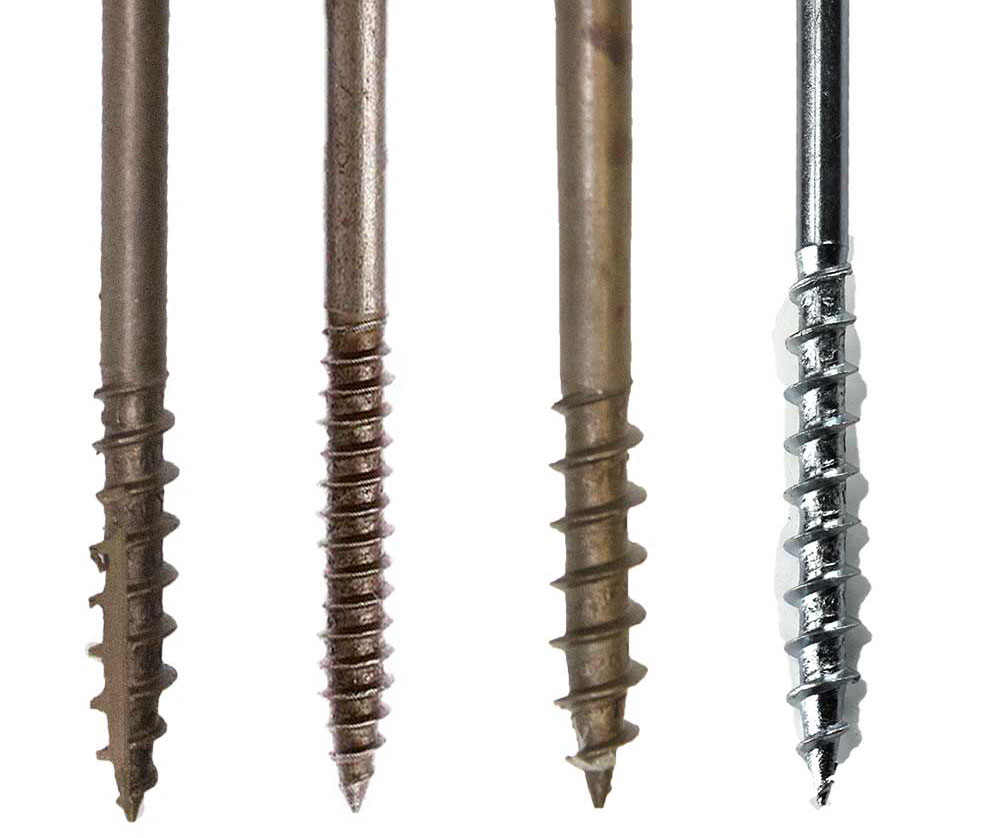
Pockethole Screw Threads
Pocket Hole Screws work well in traditional cabinetry using 3/4 in. to 1-1/2 in. material and allow the user to create miter joints and piece joints quickly and easily without the need for clamps... Read More
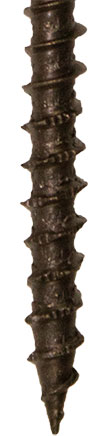

Twinfast Threads
Two threads are wrapped around the shank, as illustrated by the blue and red colored threads... Read More
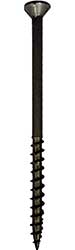

Reverse Thread
Inverted upper threads clear excess material to ensure the screw is seated properly and consistently... Read More
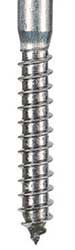
Traditional Lag
Lag Screws, at times referred to Lag Bolts (which have a machine type thread pattern to accept a nut or thread into another piece that has matching threads), ... Read More
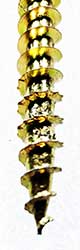
Serrated Threads
Serrated threads reduce installation torque for easier driving.
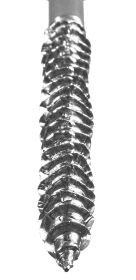
Box Threads
Unique “box” thread design with raised-ridge technology greatly reduces driving torque on the softer stainless fasteners... Read More

High-Low Threads
A screw with a double-lead, consisting of a low and a high thread. The lower thread varies in height from 1/3 to 1/2 compared to the high thread. The high thread is sharper and flatter than a standard thread.
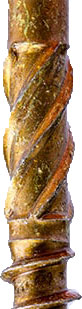
Ribs & Knurls
Fasteners that are used for securing bulging or particle-producing materials like composites will have knurls or ribs above the threads... Read More
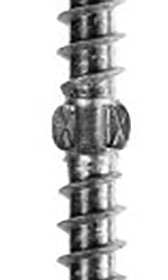
Wings
The wings on the shaft counterbore hard material allow the head to countersink easily for a clean, finished look.
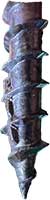
Box Threads with Raised Ridge
Unique “box” thread design with raised-ridge technology greatly reduces driving torque... Read More
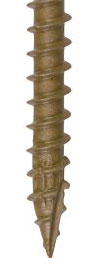
SDWS Wood Screw
Simpson Strong-Tie® Strong-Drive SDWS Wood Screws are specifically designed for structural wood-to-wood and engineered wood applications,... Read More
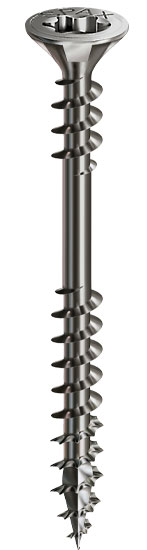
Double ThreadLok™ by SPAX
Double ThreadLok™ design pull and hold boards tight, preventing screws from backing out and boards from squeaking as the lumber dries out.
Euro Threads
These screws are made specifically for use with the European 32mm cabinet components and perfectly fit the standard mounting holes on Grass® drawer slides, as well as most other brands... Read More
Shop our Selection of Screws
Fastener Materials
It shouldn’t surprise you to hear that there is no single best material for making screws, just as there is no single best fishing lure or garden fertilizer. It all depends on the application, of course. Hardened steel screws are the workhorse for many situations but are entirely unsuitable for most exterior applications unless properly coated or plated. The following overview shows what materials are available.
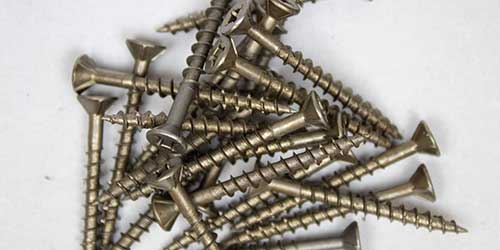
Unplated Hardened-Steel
Unplated Hardened-Steel screws are the most popular and are primarily used where they will not be visible or exposed to corrosive conditions... Read More
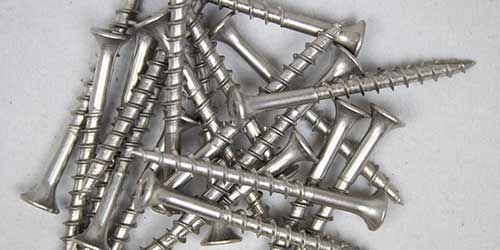
Stainless Steel
Stainless Steel provides the ultimate corrosion resistance for most woodworking projects... Read More
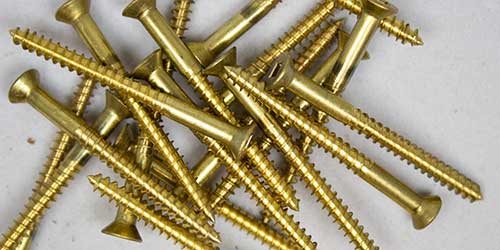
Solid Brass
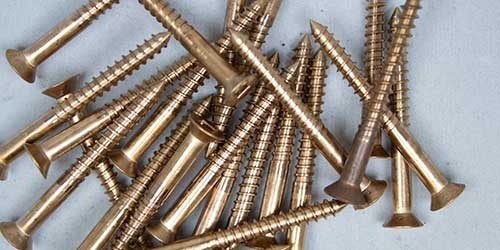
Solid Brass screws are also very soft and virtually demand a carefully sized pilot hole to eliminate installation breakage... Read More
Shop our Selection of Screws
Fastener Finishes and Coatings
Selecting the proper finish for your screws is a new experience for many woodworkers. After all, you don’t have a choice most of the time! If you don’t like bright zinc, or it isn’t suitable, it’s just tough luck. We offer various finishes and materials − not to add to the confusion, but to ensure you have the most appropriate fastener for your task! We cover many of the popular coatings and finishes available today. It's not an all-inclusive list, as manufacturers are always improving and finding new ways to provide for different applications.
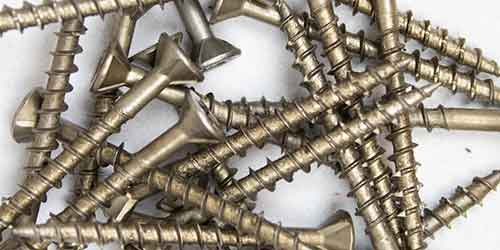
Lube or Dry-To-The-Touch Finish
Our Dry Lube finish is dry to the touch lubricant that offers a reduction in driving torque and a finish that does not interfere with ... Read More
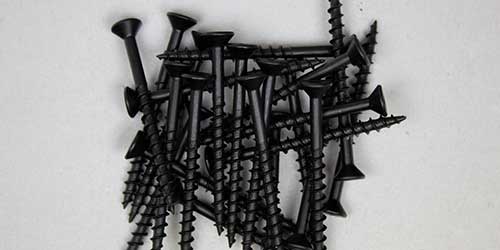
Black
Black Phosphate coatings are used on steel parts for corrosion resistance, lubrication, and or as a foundation for additional coatings or painting... Read More
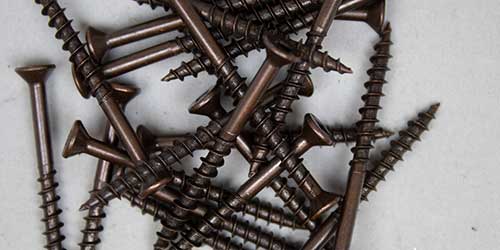
Statuary Bronze
Statuary Bronze is also a decorative finish designed to match the bronze appearance of old cabinet hardware. Primarily dark bronze, with highlights of copper... Read More
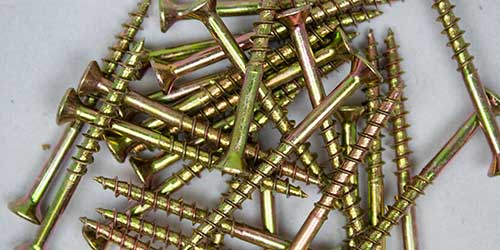
Bright Brass
Bright Brass is a purely decorative finish designed to match the color of most cabinet hardware generally... Read More
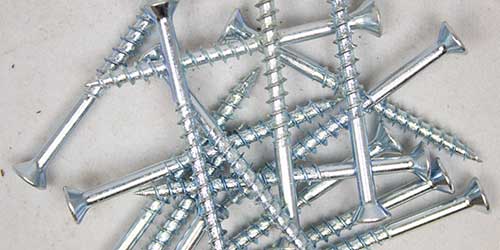
Clear Zinc
Clear Zinc is another largely decorative plating, although it does offer a salt spray rating of 10% red rust to about 50 hours... Read More
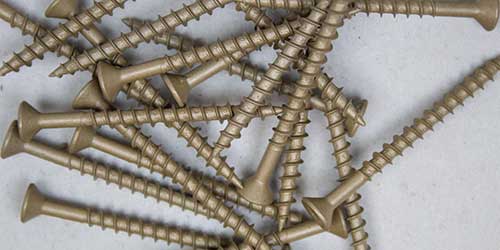
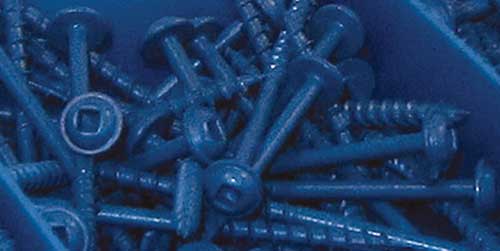
Kreg Blue-Kote™
Blue-Kote™ Screws feature three anti-corrosion layers, making them the perfect choice for a wide variety of indoor and outdoor projects... Read More
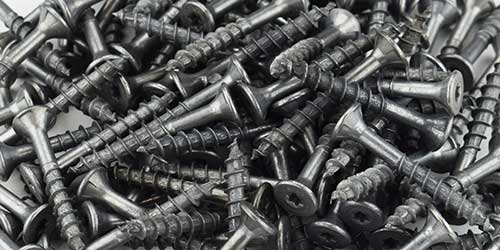
SPAX HCR-X™ Coating
HCR-X™ (Extra High Corrosion Resistance) is the latest proprietary dual barrier coating system developed by SPAX® U.S... Read More
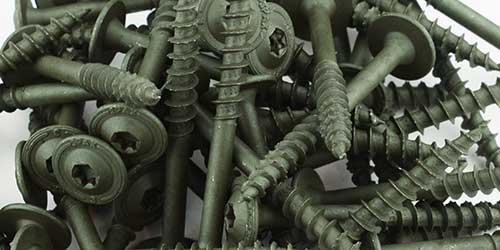
SPAX HCR Coating
HCR® (High Corrosion Resistant) is a dual barrier coating system designed to extend the longevity of the SPAX® fastener when installed in treated lumber applications... Read More
Quik Guard® Coating by Simpson-Strong-Tie
Quik Guard® Coating by Simpson-Strong-Tie - Quik Guard is a proprietary coating that consists of an electroplated zinc base layer and a system of organic top coats.
Double Barrier Coating by Simpson Strong-Tie
The Simpson Strong-Tie Double Barrier coating is a proprietary coating that provides a level of corrosion resistance that is equivalent to hot-dip galvanization (ASTM A153, Class D) in most non-marine environments... Read More
Hot-Dip Galvanized
18-8 Stainless Steel vs. Hot-Dip Galvanized:.. Read More
Climatek™ Coating by GRK
The GRK Climatek coating provides superior corrosion resistance, allowing the screw to be used in both interior and exterior applications as well as pressure-treated lumber.














Login and Registration Form