

Choose a saw blade for your Shop
Choosing the best option for your application can get complicated. The main considerations are the size and how you use it. For safety reasons, we recommend not changing the size of the blade.
Blades used in woodworking are promoted by function. There are so many options it can become very confusing. Using a ranking system by feature & benefit is a good way for you to pick what is best for your shop. After you have ranked the features, add up the totals and compare the score to the price of the blades you are considering.
To use this system, start by picking the features that are important to you. Some considerations are how many people use the saw and whether you will change the blade for special applications. There are special blades for ripping and cross-cutting, or you can get the combo blade. This ranking process will have you grade each feature from 1 to 10. It works best when you compare similar blades. Trying to compare a combo blade to a glue line will make the process difficult. When you have a grade for the blade, it will cover the features, not the brand; if you like Freud over CMT, that is a subjective choice.
Pick the features you find important, use the list below or from the dictionary.
Features - Benefits – On a Scale of 1 to 10, grade the features and how important it is for you:
- Mfg. guidance – The science behind saw blades was tested, and each manufacturer provided a guide for the best uses for each saw blade. It is the starting point for how to pick what will work best in your shop. Use it to narrow your choice or group the items you want to consider.
- Coating – The sides of a saw blade can generate a significant amount of heat. To ensure that this heat doesn't affect the blade's cutting ability, it's essential to reduce friction from the sides. This can be achieved by combining factors such as coating, steel type, or kerf size. A good coating can help prevent the saw blade from burning the wood.
- Kerf – The kerf is also the thickness of the material that is removed by the cutting/sawing process. Thick kerf blades create more dust and have a more challenging time getting rid of the heat. Thin Kerf blades remove less material, creating less resistance and friction, increasing efficiency, and reducing power drain.
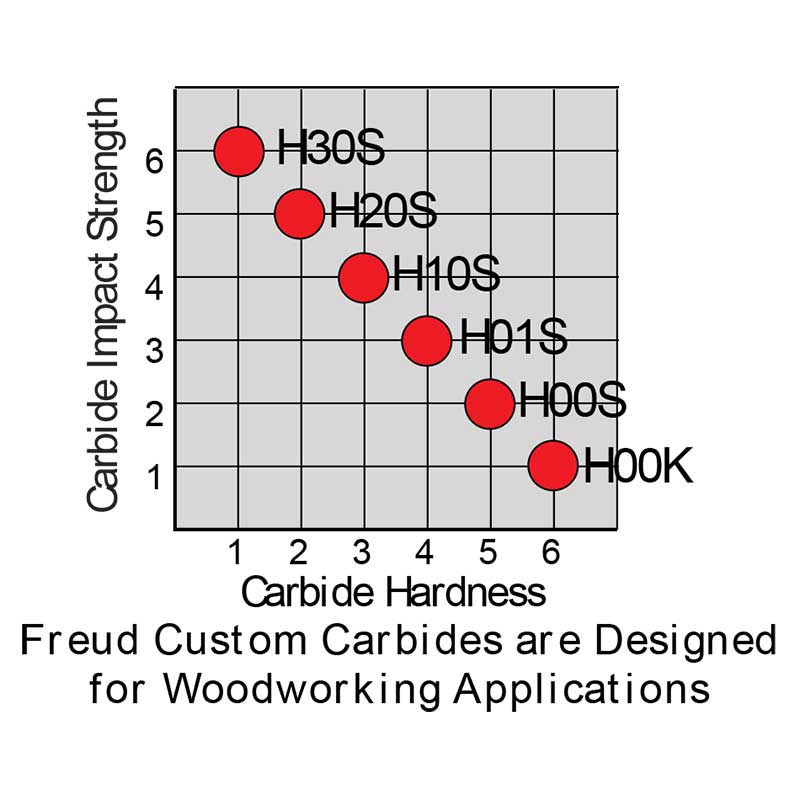
- Carbide – Carbide-tipped blades last longer and cost more due to the presence of cobalt, which is in high demand for various applications, such as smartphone batteries. They produce a better finish when cutting, last longer, and provide a cleaner and smoother cut.
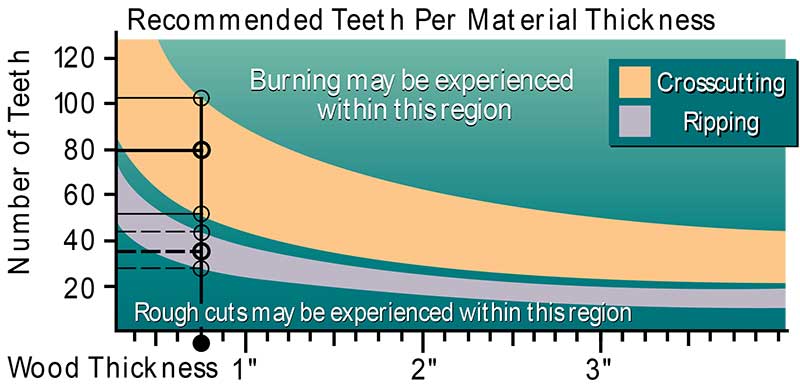
- Teeth – Too many teeth cause a slow cut and burning, while too few teeth will give a very rough and splintered cut. This trade-off mainly comes from mfg. guidance, but your type of work should be the guide.
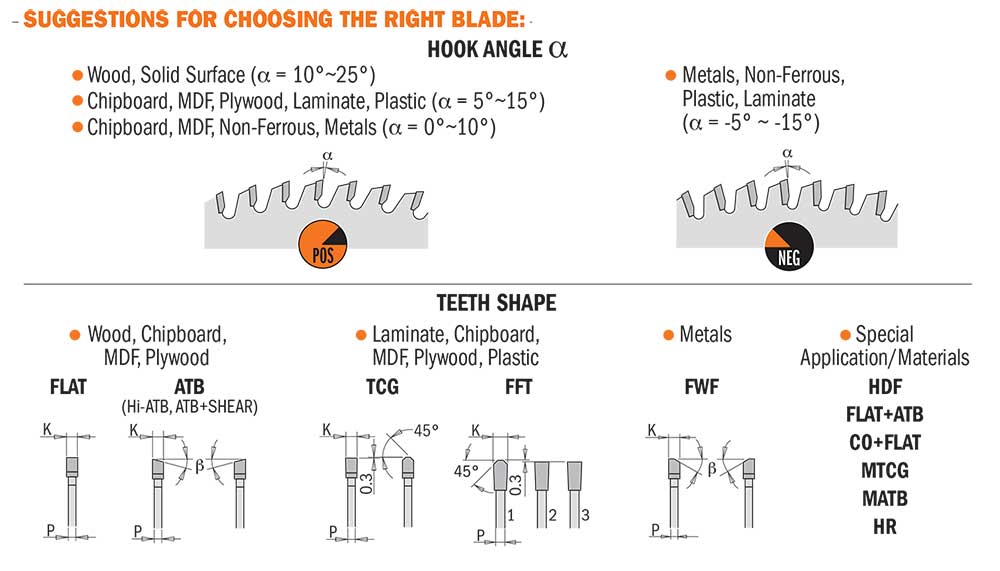
- Hook angle – The higher hook angle will give you a more aggressive and faster-cutting speed, used for ripping and crosscutting lumber, while low hook angle blades are used for crosscutting with miter saws.
The process will help you measure what works best for you. Other important considerations are sharpening, cleaning, and life cycle. As you compare the grades for each blade, knowing how meticulous you are about cleaning the tools, having them re-sharpened, and the life cycle you expect will help you pick the right blade for your budget.

Login and Registration Form