Pocket Hole Screws

Product Support

| Use the right pocket hole screw for the job. |

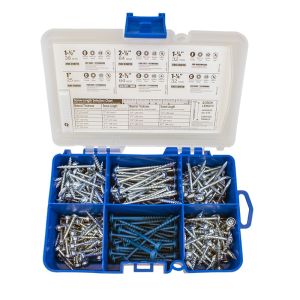
Pocket hole joinery is a popular method for building everything from fine furniture to kitchen cabinets and even deck railings. But you’ve got to use the right screws for the best results!

Pocket Hole Screw Usage Guide

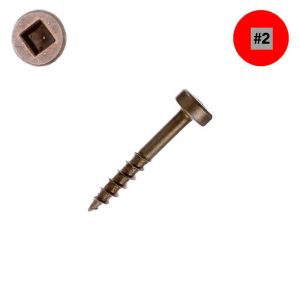
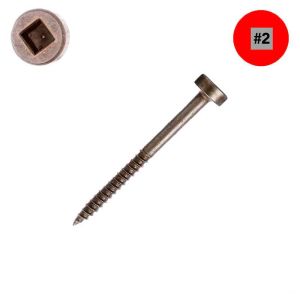
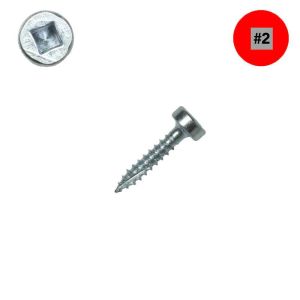
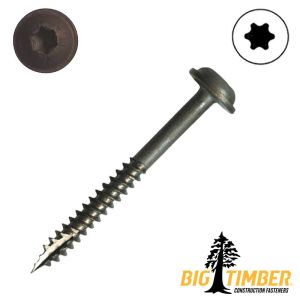
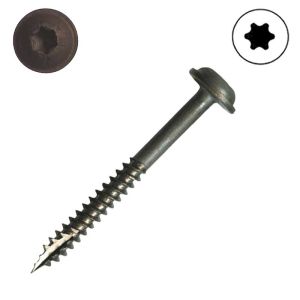
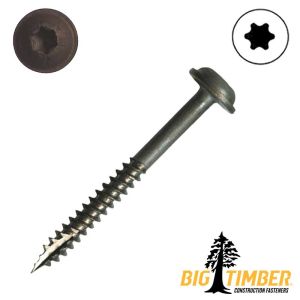
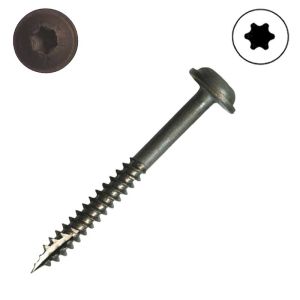
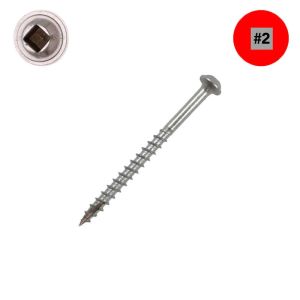
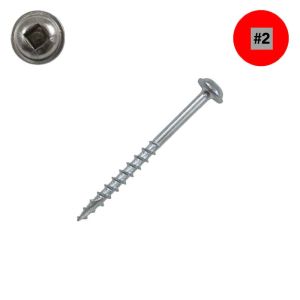
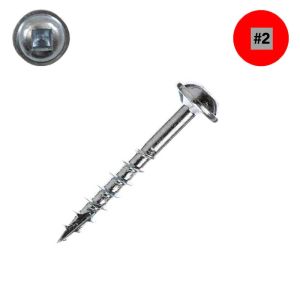
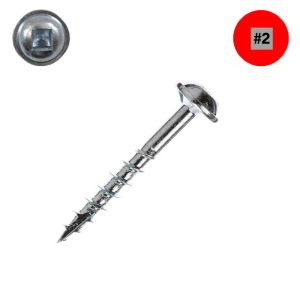
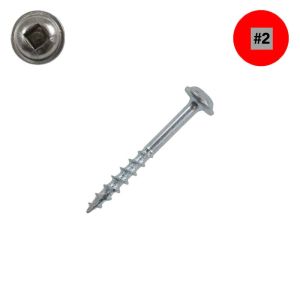
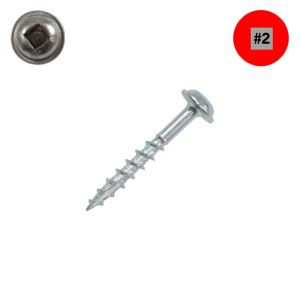
Fine thread pocket hole screw image

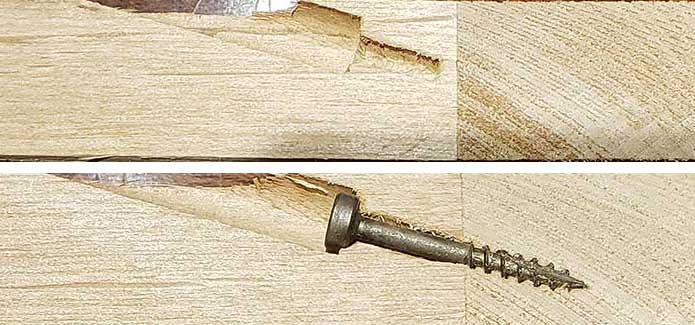
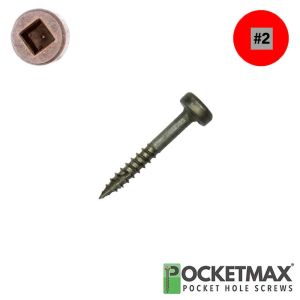
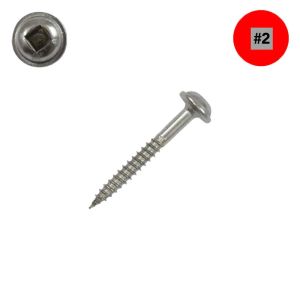
#6 Fine Thread Pocket Hole Screws are best suited for use in hardwoods where the wood’s grain strength and density provide plenty support for the shallow threads. These fine thread screws have a larger root diameter for greater strength, and the shallow threads displace less material, so they require less driving torque than a deep thread screw. The #6 Fine thread also reduces splitting when working with some hardwoods.

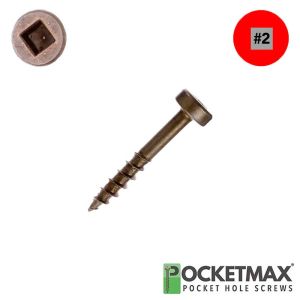
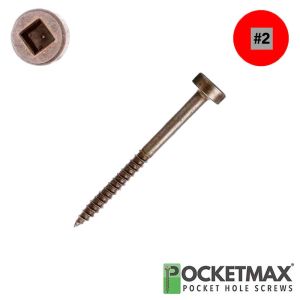
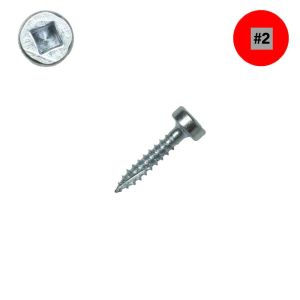
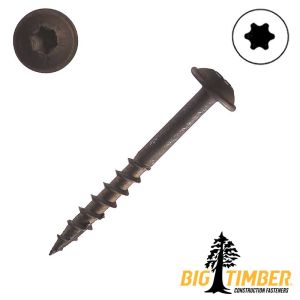
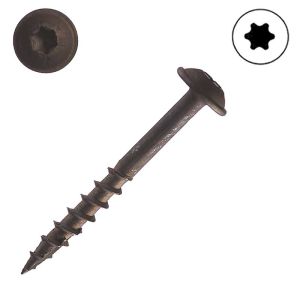
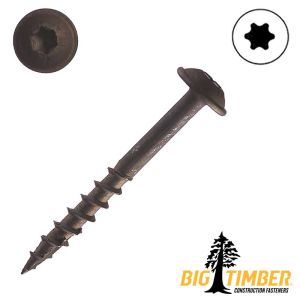
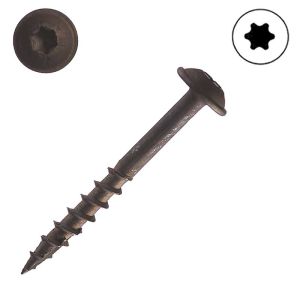
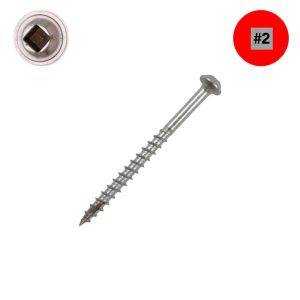
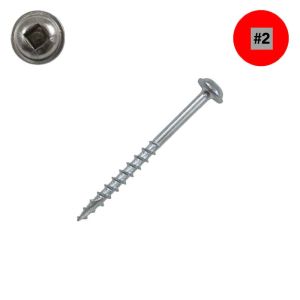
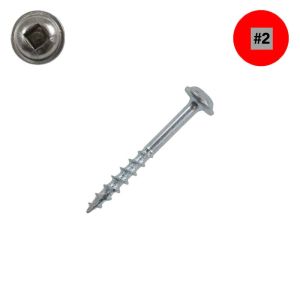
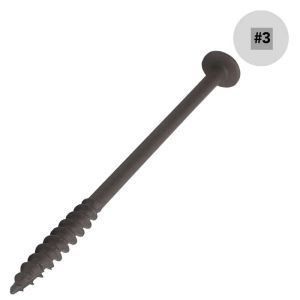
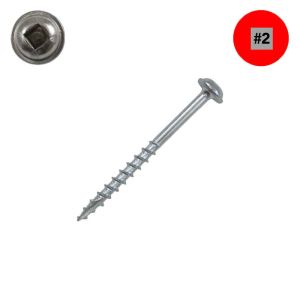
Coarse thread pocket hole screw image

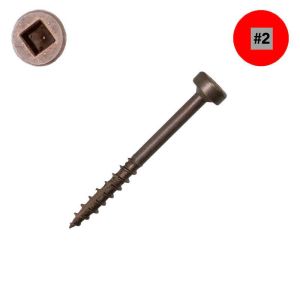
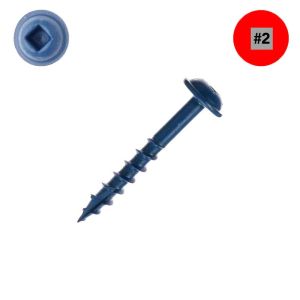
#6 Coarse Thread Pocket Hole Screws are designed for use in softwoods. They have deep threads to better resist pullout and prevent thread stripping in low density woods like pine or fir (or even in man-made materials like particle board) and thus a smaller shank diameter than fine thread screws. The smaller shank diameter reduces driving resistance (they displace less material) while still providing plenty of torque strength for low density materials.

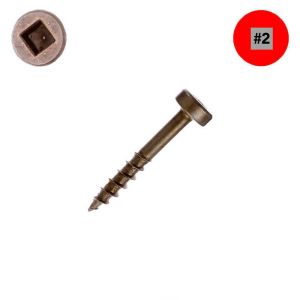
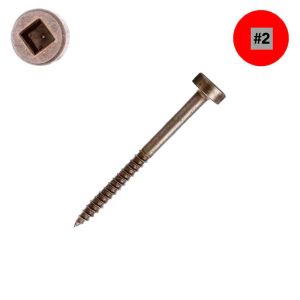
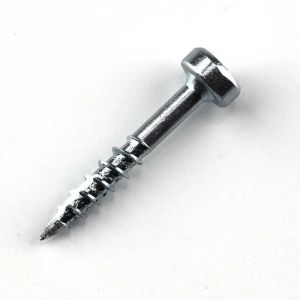
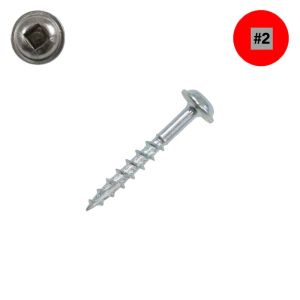
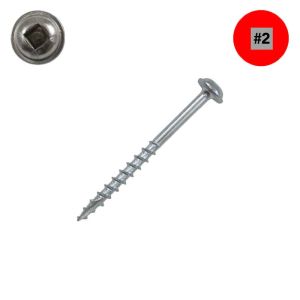
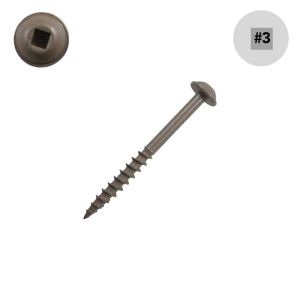
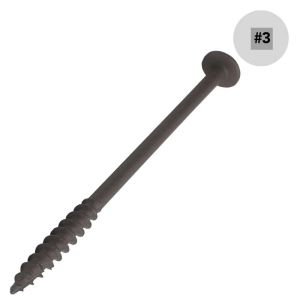
Super-eight pocket hole screw image

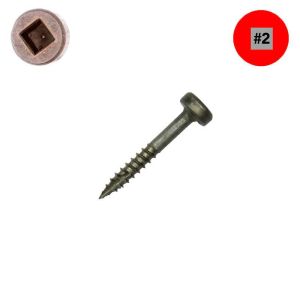
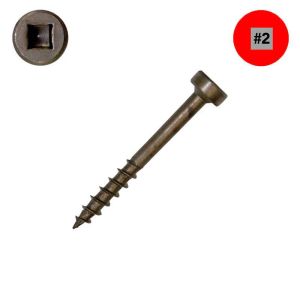
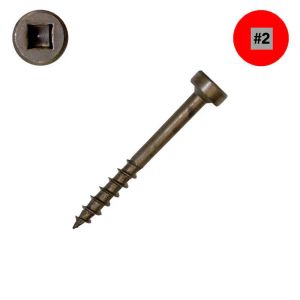
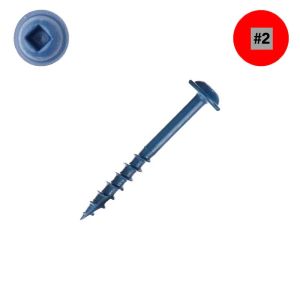
#8 Super-Eight™ Pocket Hole Screws are a McFeely’s Exclusive. We developed these to provide cabinetmakers with one screw for use in most hardwoods or softwoods. It has deep threads to provide holding power in softwoods, and a thick #8 shank to provide the torque strength needed for hardwoods. It is equally suited for use in most hardwoods or softwoods, and man-made materials like MDF and melamine board. Note: Splitting may occur in exceptionally dense hardwoods such as maple, hickory/pecan or birch.

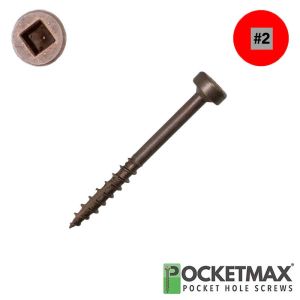
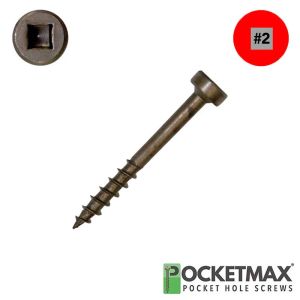
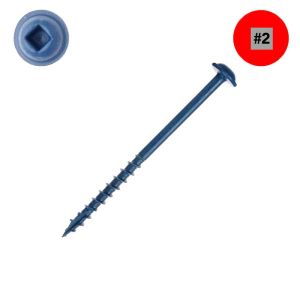
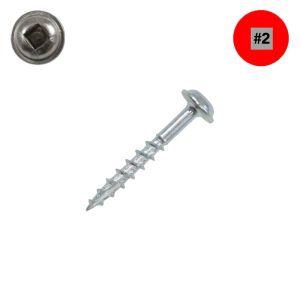
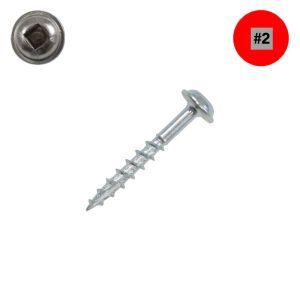
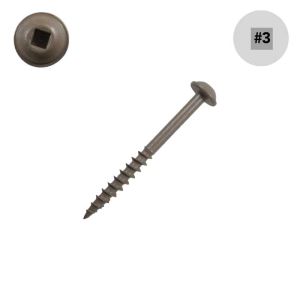
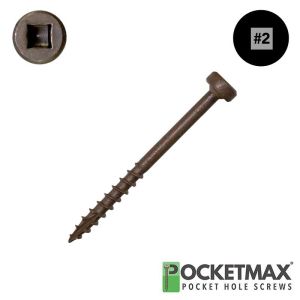
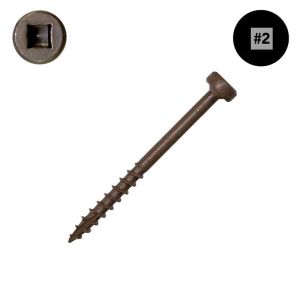
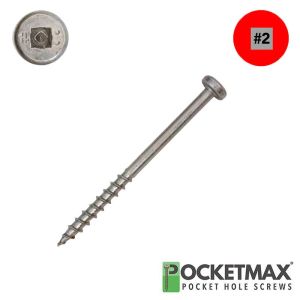
PocketMax pocket hole screw image

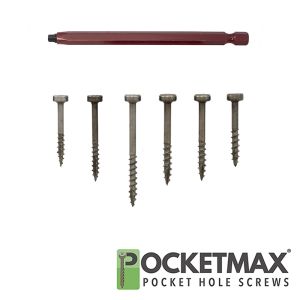
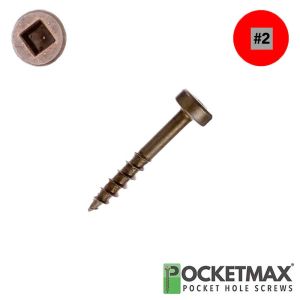
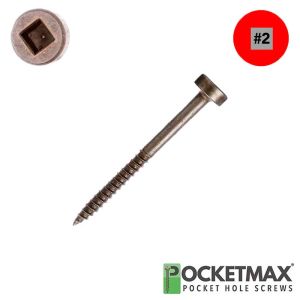
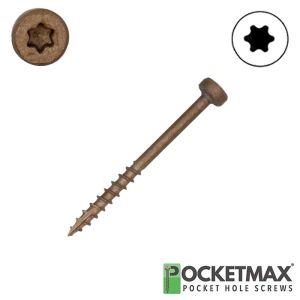
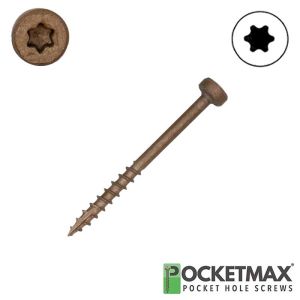
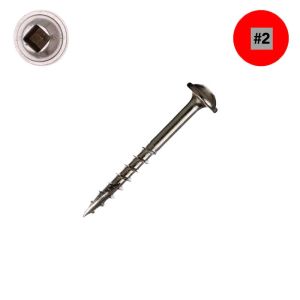
#8 and #10 PocketMax® Pocket Hole Screws are also a McFeely’s Exclusive. We developed these screws for use in 2X construction lumber, where they provide for precision “toe-nailing” when alignment is critical, hammer swinging space is non-existant, or joint strength is vital. They are 2-5/8” long with a 1-3/8” unthreaded shank length – which helps eliminate cross threading at the joint. They are available in both #8 and #10 sizes, with the #10 screws recommended for structural use. The PocketMax is also available in a mechanically galvanized NoCoRode Plus finish for exterior applications.


Tech Tip: “Miter” a Strong Corner with Pocket Holes

Miter step 1 Miter step 2 Miter step 3
One of the most common problems woodworkers face is constructing a durable, tight, beveled joint. Using normal mitering techniques, if the joint is tight a “wire” edge forms that is vulnerable to splintering and chipping in use. The solution is to use Pocket Hole joinery to simply move the corner away from the joint as shown.


Tech Tip: Pocket Hole Screws and 2 x 4’s

Pocket hole screw 2x4
Pocket Hole Screws work well with 2x construction materials when you use the correct screws and a jig setting that puts the screw on the centerline of the joint. Each of these illustrations shows a pocket hole joint prepared using the Kreg K2000.
Drawing “A” illustrates a proper joint in which our Exclusive PocketMax™ pocket hole screw with its Optimized Thread Length design crosses the joint on the centerline for strength and the threads do not cross the joint, eliminating the possibility of jacking.
Drawing “B” illustrates the hazard of using the correct jig setting, but the incorrect fastener ( a standard #8 x 2-1/2” round washer head screw); the screw threads span the joint and the pocket hole bit pilot drill point is not long enough to provide a complete clearance hole – joint separation due to jacking is probable.
Drawing “C” illustrates the problem associated with an incorrect jig setting and screw; the screw does not span the joint on the centerline, making the connection unbalanced, and the standard 1-1/2” pocket hole screws are shown to be too short to create a strong joint.
Drawing “D” Illustrates a solution to the problem of Drawing “C” – simply drill pocket holes for 3/4” thick material from both faces of the board!


Tech Tip: Pocket Hole Screw Penetration Guide

This table lists common Pocket Hole screw lengths and screw penetrations based on the Kreg K2000 Jig and stop collar settings. Other jig systems or drill bits will have other setting to achieve similar penetration depths. Please experiment on scrap material before committing to production material – these are guidelines only!

Pocket hole screw penetration guide illustration

Material Thickness 1/2" 3/4" 1" 1-1/2"
Use Screw Length 1" 1-1/4" 1-1/2" 2-5/8"
Kreg Jig Setting Position 2 Position 1 Position 1 Position 3
Drill Bit Collar Depth 3-7/16" 3-1/2" 3-11/16" 4-1/4"
 
Screw Length Penetration Depths (Based on Jig Position)
1" Long (Std) 7/16" 3/8" 9/16" N/A
1-1/4" Long 3/4" (Std) 5/8" 15/16" N/A
1-1/2" Long 1" 7/8" (Std) 1-3/16" 1/4"
2-5/8" Long 2-1/8" 2" N/A (Std) 1-3/8"

Now that you know more about Pocket Hole Joinery, visit our Pocket Hole Joinery Product Section.

More Info
Can’t find the answers you’re looking for? Call 800-443-7937 and ask for our Product Support Department or send us an email.